
What Metabolic Syndrome Is and How It Increases Your Risk of Heart Disease?
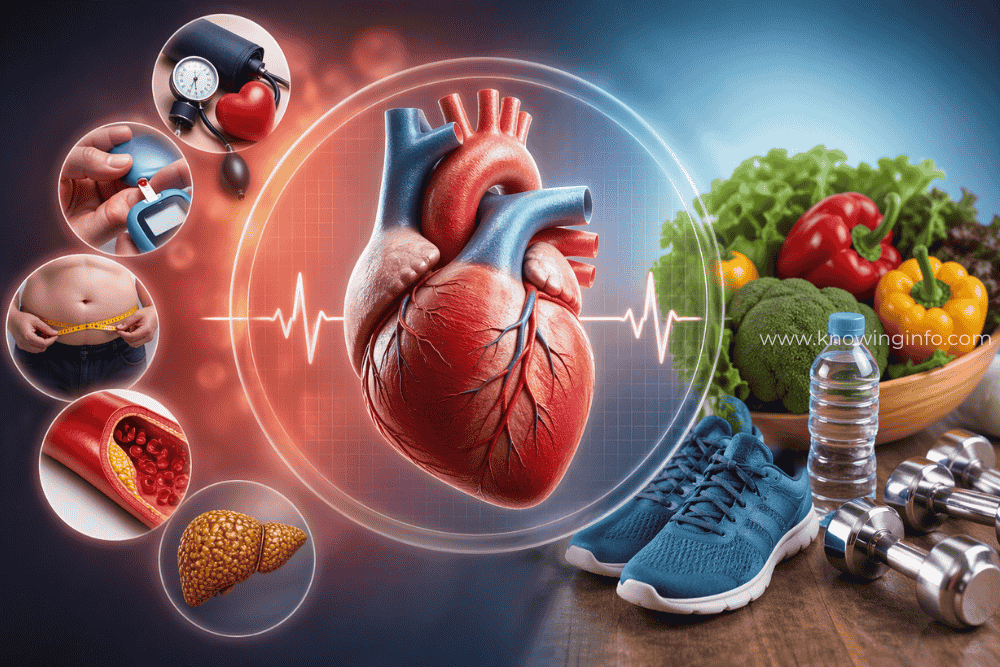
Metabolic syndrome may appear to be a complex medical diagnosis; however, it is relatively straightforward. Metabolic syndrome does not refer to a single disease; rather, it is a set of medical conditions that occur simultaneously within an individual’s body. When these diseases coexist, they may subtly increase your chance of acquiring heart disease.
What Is Metabolic Syndrome?
One might say that it is an alarm signal of your body. Typically, if someone has metabolic syndrome, it means they are experiencing at least three out of five problems listed below:
- High blood pressure
- Elevated blood glucose levels
- Increased abdominal fat
- Elevated levels of triglycerides (a specific kind of fat found in the bloodstream)
- Reduced levels of HDL (the good cholesterol)
None of them is good by itself, but when they all occur at once, they can be far worse and can place more pressure on your heart, making it difficult for your heart to function correctly.
Why Does Metabolic Syndrome Happen?
It depends on a variety of factors. However, the most common cause is referred to as insulin opposition. This simply means that the body cannot effectively utilize insulin, which is responsible for controlling glucose levels in the bloodstream. Some of the other causes of metabolic syndrome include:
- Consuming too many foods containing unhealthy fats
- Living a sedentary lifestyle
- Putting on excessive weight, particularly around the abdomen
- The habit of smoking
- Stress
In some cases, it can also be passed down through your family, meaning your genes may increase your chances of developing it.

How does it increase the Risk of Heart Disease?
Well, because it may cause heart disease, which is a dangerous health condition. First of all, your cardiovascular system is rather weak to any change that occurs in your body. So, let’s look at how the above factors influence your cardiovascular system. Heart-related issues as a result of metabolic syndrome
- High blood pressure: As your heart is always under stress when you have high blood pressure, your vessels gradually become more inflexible and damaged. Therefore, it will be rather easy for some serious heart disease to develop further.
- High blood sugar levels: Increased blood glucose levels may damage your blood vessels and cause type 2 diabetes in the future. And both conditions may lead to heart disease.
- Excess Belly Fat: This part is crucial as visceral fat is not only an additional part of your figure but also an organism that produces inflammatory substances that damage your blood vessels and heart.
- High Triglycerides: They refer to the fats that are present in the bloodstream. They may become excessive, causing a blockage in the arteries, thus impeding proper blood flow.
- Low HDL Cholesterol: It is responsible for the removal of harmful cholesterol from the blood, so if it’s low, bad cholesterol will accumulate in the arteries, creating a blockage.
When you combine all these problems, your heart has to work much harder than normal. Over time, this extra strain damages your blood vessels, reduces proper blood flow, and greatly increases your risk of serious heart conditions like heart attacks and strokes.
What are the Symptoms?
The sad news is that metabolic syndrome rarely produces any symptoms at all. You might feel perfectly healthy. However, here are a couple of red flags that may arise:
- Your waist is becoming larger
- Feeling fatigued more often than usual
- Increased blood pressure
- High blood glucose (in case if tested)
Who is more likely to get it?
Metabolic syndrome can affect anyone; however, certain individuals may be more susceptible to this condition. People who have any of the following conditions may develop metabolic syndrome:
- Overweightness
- Physical inactivity
- Poor dietary habits that consist of highly processed food products
- Old age
- Family background of diabetes or heart disease
How to Prevent or Manage It?
This is what I want you to take note of: you can take action! Easy tips to start managing yourself
- Eat better: You won’t require the perfect diet. It is enough to consume more natural food, including fruits, vegetables, whole grains, and healthy proteins. Reduce consumption of foods high in sugars, saturated fats, and processed foods.
- Exercise regularly: It isn’t necessary to go to the gym. Even half an hour of walking most days would make a great difference in the condition.
- Lose some extra pounds: Reducing even a bit of excess weight may positively influence your blood pressure and sugar levels in blood.
- Give up smoking: In case you are a smoker, quitting smoking would be one of the most useful steps in protecting your heart from any problems.
- Manage stress: There are more ways to relax than you might expect. Practice breathing techniques, listen to music, and take pauses.
- Stick to medical recommendations: Take prescribed medications and attend all planned visits.
Conclusion
Metabolic syndrome isn’t a condition that occurs overnight, nor does it cause irreparable harm immediately. The development is gradual. However, it also implies that there is still time to change one’s behavior. It might be regarded as the body’s way of telling someone to provide some additional care.
Make small changes. Try to eat more healthily, exercise more often, and take care of one’s well-being. Such minor efforts will go a long way toward protecting your heart and overall health. Consistency is key, not perfection.