Microbiome Hacks to Improve Digestion & Immunity
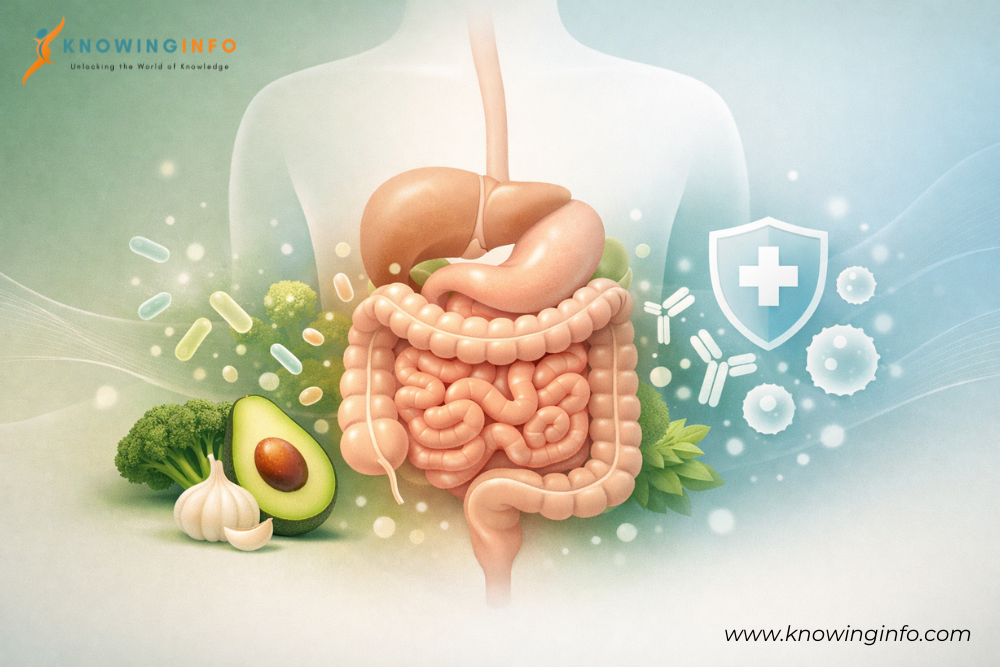
If you’re listening, people talk about the gut microbiome; then don’t worry, you’re not alone. Your gut is home to trillions of small organisms, such as bacteria and fungi, that help your body break down food, absorb nutrients properly, fight off germs, and even support your mood.
So many experts say that about 70% of your immune system lives in the gut, which is why taking care of your microbiome is one of the best things you can do for your overall health. But with so much information or data out there, anyone can be confused about which gut-health “hacks” are really worth trying. The good news is that you don’t need anything fancy or complicated to take care of it correctly.
In this article, we share a simple, science-supported guide below that helps you to improve digestion, boost immunity, and keep your gut microbiome happy and balanced.
1. Add More Prebiotic Fiber to Provide Your Gut with Good Bacteria:
One of the best and simplest ways to support your gut microbiome is by eating more prebiotics. Prebiotics are a type of fiber your body can’t digest, but your good gut bacteria love them. You can think of prebiotics as healthy “food” for your gut microbes.
Why this helps: When your good bacteria get sufficient prebiotics, they grow stronger and more diverse, also produce short-chain fatty acids (SCFAs), which allow lower inflammation, keep your digestive system happy, and help your immune system function properly.
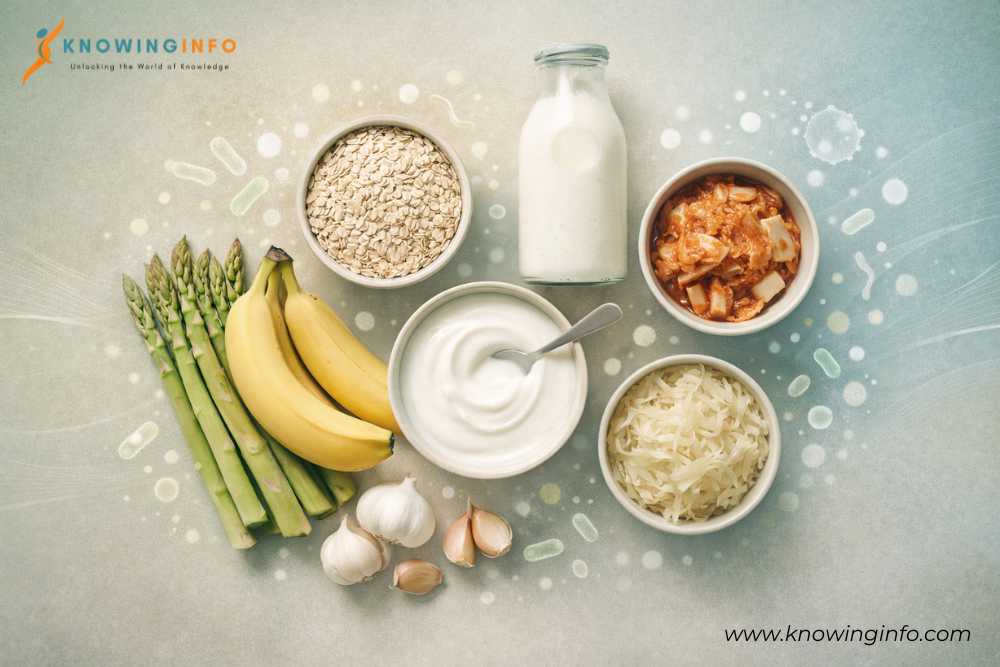
Simple prebiotic-rich foods include:
- Garlic
- Onions
- Leeks
- Asparagus
- Bananas
- Oats
- Chicory root
How to Add Them to Your Daily Routine Easily?
You don’t need to make major changes; just small, daily additions can make a genuine difference. Try tossing some onions into your morning omelet, adding oats to your smoothie, or pairing dinner with a side of beans. Over time, these small habits help your gut stay healthy and balanced.
2. Add Probiotic-Rich Foods for Better Digestion:
Prebiotics help provide the good bacteria in your gut, but probiotics actually add more of those helpful microbes. Imagine probiotics as “good bugs” that support and keep your digestion running smoothly, and help your immune system.
Why this helps: Probiotics support a healthier gut environment, enhance the digestive process, and support your body in fighting off unhealthy bacteria. A balanced microbiome can also help you relieve bloating, increase nutrient absorption, and support overall wellness.
Simple probiotic-rich foods include:
- Yogurt with live cultures
- Kefir
- Kimchi
- Sauerkraut
- Miso
- Kombucha
- Tempeh
How to Add Them to Your Daily Routine Easily?
- Add a spoonful of yogurt to your breakfast.
- Simply drink a small glass of kefir in the morning.
- You can use kimchi or sauerkraut as a side dish with lunch or dinner.
- Mix a bit of miso into warm (not boiling) water for a quick soup.
- Add tempeh to stir-fries or salads.
- Consume kombucha in place of soda or sugary drinks.
3. Reduce Ultra-Processed Foods to Protect Your Gut:
Ultra-processed foods contain things like packaged chips, sugary cereals, frozen dinners, candy, fast food, and drinks with artificial sweeteners usually have additives, preservatives, and refined sugars that your gut doesn’t tolerate very well.
Eating a lot of them can disturb the natural balance of bacteria, which can lead to serious health problems.
Why this helps: Cutting down ultra-processed foods allows the gut to stay healthy and work smoothly. Here’s why it matters:
- Ultra-processed foods decrease the number of good bacteria your gut needs to break down food and support immunity.
- Additives and refined sugars trigger inflammation, which makes digestion harder and impacts how you feel.
- A healthier gut easily absorbs nutrients, prevents bloating, and keeps metabolism steady.
Simple swaps:
- Switch packaged desserts for fruit like berries, apples, or bananas.
- Choose whole grains (like brown rice, oats, or whole-wheat bread) instead of refined carbs.
- Choose snacks like nuts, yogurt, or cut veggies instead of chips or candy.
4. Stay Hydrated to Keep Digestion Moving Smoothly:
Drinking enough water is one of the most effortless ways to take care of your gut, but many people ignore it. Your body needs water to digest food properly and to keep the good bacteria in your gut healthy. Water helps with things like:
- Supporting smooth digestion and stopping constipation
- Helping the body absorb vitamins and minerals
- Keeping the lining of your gut moist and protected
Make sure to try to sip water throughout the day instead of drinking a lot all at once. You can also stay hydrated with herbal teas, mineral water, and foods like cucumbers, oranges, watermelon, and leafy greens that contain a lot of water.
5. Prioritize Quality Sleep for Digestive Health:
Did you know that sleep and gut health are closely connected? When you don’t sleep well, it can throw off the balance of good bacteria in your gut and boost inflammation. This makes digestion harder and weakens your immune system.
What to seek:
Try to get 7–9 hours of good sleep and stick to a regular sleep schedule, even on weekends.
Simple tips for better sleep:
- Avoid caffeine later in the day
- Limit screen time before going to bed
- Develop a calming bedtime routine
These small habits allow your body to relax, support a healthier gut, and keep your immune system strong.

Conclusion
Simple habits, like eating prebiotic and probiotic foods, drinking enough water, sleeping well, and managing stress, improve digestion and boost immunity. Doing these things consistently improves digestion, a stronger immune system, and makes you feel better overall. If you have health problems, check with a professional before making major changes.