In What Ways Are AI‑Powered Virtual Therapists and Sleep‑Maxxing Reshaping Gen Z Mental Health?
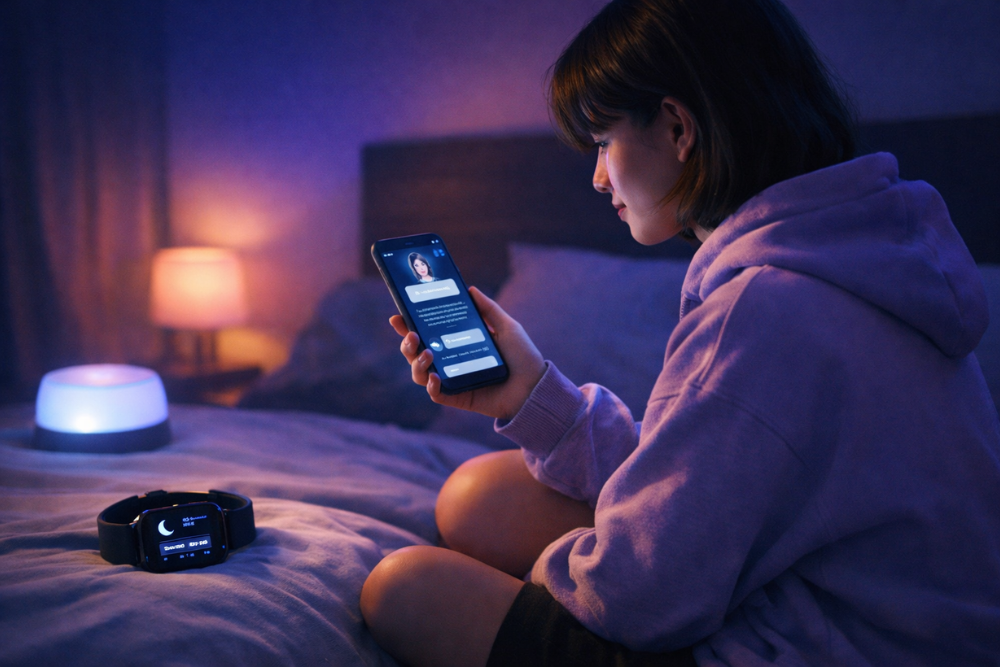
In today’s time, Gen Z is speaking about mental health more openly than any generation before. At the same time, so many young people are struggling with anxiety, stress, burnout, and poor sleep. Traditional therapy can be pretty costly, hard to access, or harsh. That’s why Gen Z is now turning to new solutions that seamlessly fit their digital lifestyle.
Two trends are becoming increasingly popular: AI-powered virtual therapists and sleep optimization. These tools and habits are actually transforming how Gen Z understands and handles mental health.
Why Mental Health Is a Major Issue for Gen Z?
Gen Z has grown up with social media, continuous online pressure, and ongoing news. Many also face financial stress, job tension, and academic pressure due to this rapidly changing world. All of this badly affects their mental health.
While therapy is useful, the reality is that not everyone can afford it or find a therapist quickly. Long waitlists and stigma also stop people from getting help. That’s why many Gen Z users look for support through apps, technology, and daily wellness habits.
How AI-Powered Virtual Therapists Help Gen Z?
AI-powered virtual therapists are apps or chat tools that use artificial intelligence to help with mental health. They usually use approaches from real therapy, like cognitive behavioral therapy (CBT), which helps to understand their thoughts and emotions perfectly.
Easy and Affordable Support
One of the primary advantages of AI virtual therapists is access. These tools are usually:
- Help you anytime and anywhere, like whenever you need it, just go to it.
- It is more affordable than traditional therapy, and everyone can afford it easily.
- You don’t need to go anywhere, just use your phone in your comfort zone
- Everyone is concerned about their privacy, which is why it is confidential and judgment-free to use.
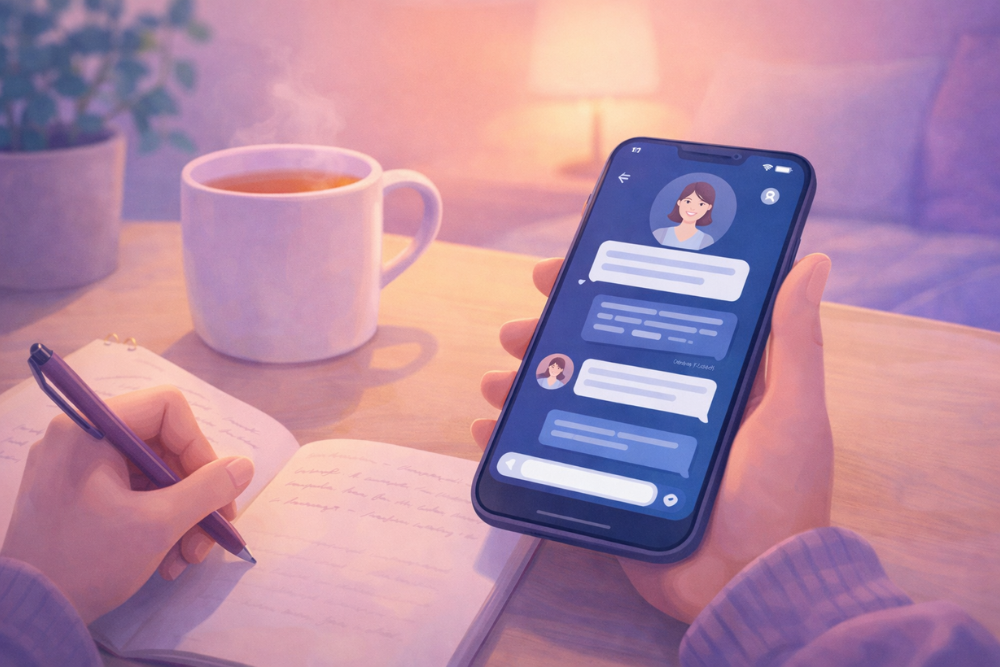
For those who feel nervous when talking to a real therapist, an AI chatbot can make you feel safe. Users can vent, reflect, and learn coping skills without any stress.
How does this help build daily mental health habits?
Many AI mental health apps encourage daily check-ins. Users might track their mood, write short journal entries, or answer questions about how they’re feeling. Over time, this allows people to notice habits in their emotions and behavior.
Mental health experts constantly help design these tools, which makes them more trustworthy when used perfectly. They are quite useful for mild stress, anxiety, and emotional awareness.
Important Limits of AI Therapy
Even though AI tools are helpful, don’t think that they are a replacement for licensed therapists. They cannot analyze mental health conditions or support people when it comes to serious situations. Experts agree that AI therapy works best when you use it as extra support, but not as the only form of care.
What Is Sleep-Maxxing?
Sleep-maxxing is a trend where people are trying to concentrate on improving their sleep as much as possible. Many Gen Z users share sleep tips on social media, treating good sleep as an essential part of mental health.
Instead of staying up late to be productive, Gen Z is now realizing that sleep is necessary to stay calm, focused, and emotionally balanced throughout the day.
Why is Sleep Important for Mental Health?
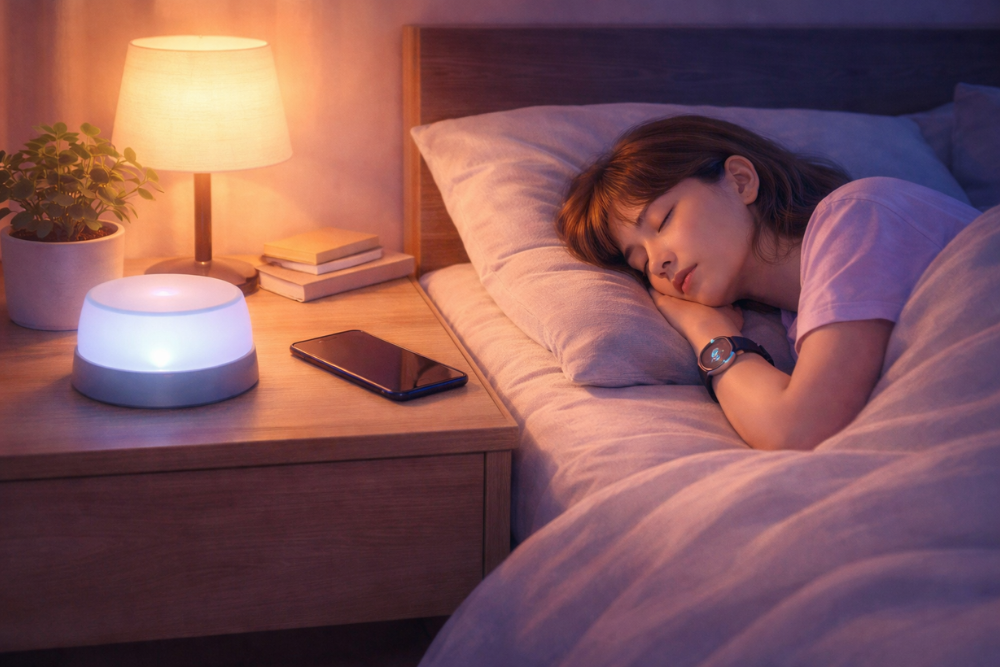
Research shows that having poor sleep can make your anxiety and depression more destructive. When you don’t sleep well, it can be hard for you to manage emotions, focus, and handle stress every day.
Good sleep plays a major role in keeping your mental health balance. Taking a good sleep daily makes your emotional part strong, freshens your mind and body, and allows you to be more active and focused on your daily tasks. Sleep-maxxing includes habits like:
- Heading to bed at the same time every night
- Avoiding screen time 30 minutes before sleep
- Using white noise or calming sounds to feel calm
- Taking supplements like magnesium
- Tracking your sleep with smart devices
These habits support improving sleep quality, which can directly lead to better mental health overall.
The Growing Recognition of Sleep in Mental Health
Gen Z is increasingly identifying sleep as a required factor in maintaining mental health rather than viewing it as optional or inefficient. Sufficient rest is now understood to support emotional limitation, stress reduction, and mental functioning.
This change is supported by increasing awareness of sleep science, including the role of circadian rhythms and sleep cycles in brain health. As a result, sleep-focused methods are achieving acceptance as effective, evidence-based techniques for helping overall mental well-being.
How AI Therapy and Sleep-Maxxing Work Together?
AI-powered virtual therapists and sleep-maxxing support each other. Better sleep helps people to feel more peaceful and think more clearly. AI tools allow users to process emotions and handle stress. Combining both of them creates healthier and more productive habits.
Both trends focus on prevention, not just resolving problems when they become unbearable. They also match Gen Z’s choice for flexible, tech-based solutions.
What does this mean for the Future of Mental Health?
Gen Z is not abandoning traditional therapy. Instead, they are inventing what mental health care really looks like. AI tools and sleep-maxxing support are more convenient and reduce stigma.
When these trends are used responsibly and supported by science and professional guidance, these approaches can be favorably effective. Moving forward, mental health care is likely to blend technology, healthy sleep habits, and human support to promote mental well-being.