
The Gut-Brain Connection: How a Healthy Gut Can Improve Your Mood, Memory, and Mental Health.
Do you ever get butterflies in your stomach right before an important presentation? Or perhaps, have you observed that your stomach becomes upset anytime you get anxious?
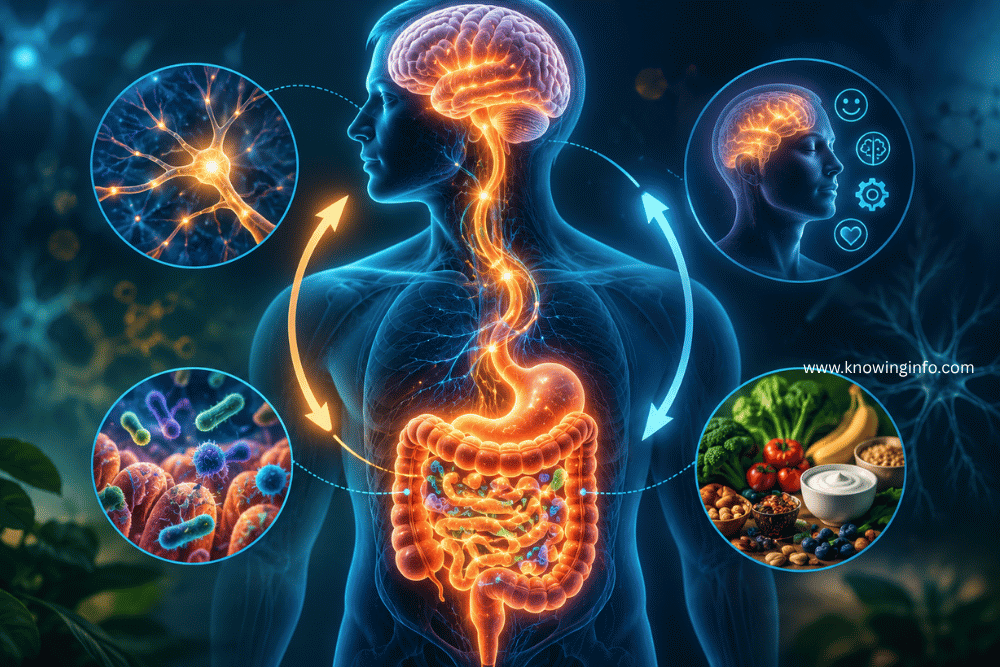
These occurrences take place because of the gut-brain connection. The digestive system and the brain do not function individually; they continuously communicate with each other via a very complex nervous and chemical communication system.
Until now, there is still the belief among scientists that the brain acts as the sole control mechanism while the stomach simply digests food. Recent studies reveal that the numerous microorganisms residing in the gut have a vital effect on our moods, attention span, and cognitive functions.
What Is the “Second Brain”?
The digestive system has a nervous system, known as the enteric nervous system (ENS). This is what many doctors refer to as the “second brain,” since it has over 100 million nerve cells more than the spinal cord. The gut-brain connection depends on three major communication routes:
- Vagus Nerve: Large nerve that functions as a straight cable connecting the stomach and brain to allow instant messaging between them.
- Feel-Good Chemicals (Neurotransmitters): Over 90% of your body’s serotonin (a chemical responsible for mood stabilization and proper sleep) is produced by the gut.
- Short-Chain Fatty Acids: Gut bacteria ferment dietary fiber into substances that have anti-inflammatory properties, protect the brain, and aid cognitive function.
How Gut Health Affects Your Mental State?
With proper functioning and harmony among the bacteria in your stomach, messages that calm your brain are sent. This allows you to deal with everyday stresses, focus, and have balanced moods.
If something like a bad diet or disease affects the harmony, signals that indicate distress are sent up from the gut-brain connection to the brain. These include:
- Brain Fog: When you feel that you are slow, forgetful, or having trouble focusing.
- Mood Swings: Rapid loss of energy or being irritable and anxious.
- Insomnia: Problems with sleeping due to reduced serotonin levels.
4 Simple Ways to Improve Your Gut Health
Maintaining the gut-brain connection does not entail resorting to fad diets and costly supplements. Little things mean a lot:
- Include More Fiber From Plant Sources: Your gut bacteria love plants. Increase your intake of oats, apples, beans, onions, and bananas in your diet.
- Have Some Fermented Food in Your Diet: Foods such as unsweetened yogurt, curd, kimchi, and kefir have live bacteria that keep your digestive system balanced.
- Keep Away from Stress: Since stress messes up your gut balance, short walks, deep breathing exercises, and adequate sleep keep your digestive system healthy.
- Avoid Sugary and Processed Foods: Such foods nourish bad bacteria and cause inflammation in your gut and brain.
Frequently Asked Questions
What does gut-brain connection mean in layman’s terms?
It means the communication system that exists between your brain and your digestive system through nerves, hormones, and gut microbiome.
How does gut function influence anxiety and emotions?
More than 95% of your body’s serotonin, the hormone that makes you happy, is manufactured in your gut. A damaged gut reduces the production of serotonin and sends warning signs to your brain.
Does a better gut condition improve brain function?
Yes. It ensures there will be no entry of toxins into your blood by consuming good whole foods and avoiding gut inflammation.
How long will it take for changes in mood from gut bacteria?
Although rebuilding gut bacteria fully takes about weeks, the good news is that people will feel energetic, experience digestive improvement, and have calm moods in about 7 to 14 days after eating foods rich in fiber.
What are the best foods one can eat on a daily basis to ensure healthy gut bacteria?
Some whole foods such as oats, yoghurt, banana, lentils, almonds, and green leaves are some of the best food options to feed gut bacteria.
Key Takeaways
- Direct Connection: Your brain and digestive system are in constant communication via the vagus nerve.
- Mood Control Center: Nearly 90% of your body’s mood-controlling serotonin is produced in the gut.
- Better Mind Functions: A well-functioning digestive system will lead to reduced inflammation and less brain fog.
- Fast Fixes: A varied intake of plant fibers and yogurt, along with stress management, are among the best ways to promote your mental wellness through your gut.
Conclusion
Your mental state depends on the condition of your gut. Being connected all the time, your gastrointestinal tract and brain influence each other, which means that what you feel physically affects your state mentally. In other words, as most of the happy hormone serotonin is produced in the gut, it plays an important role in being happy.
In order to be healthier and more productive, one needs to consume whole foods, increase their fiber intake, and reduce stress levels. This way, taking care of your gut helps get rid of brain fog and establish a better gut-brain connection.