
Hantavirus Guide: Symptoms, Prevention, and How It Spreads Safely Explained?
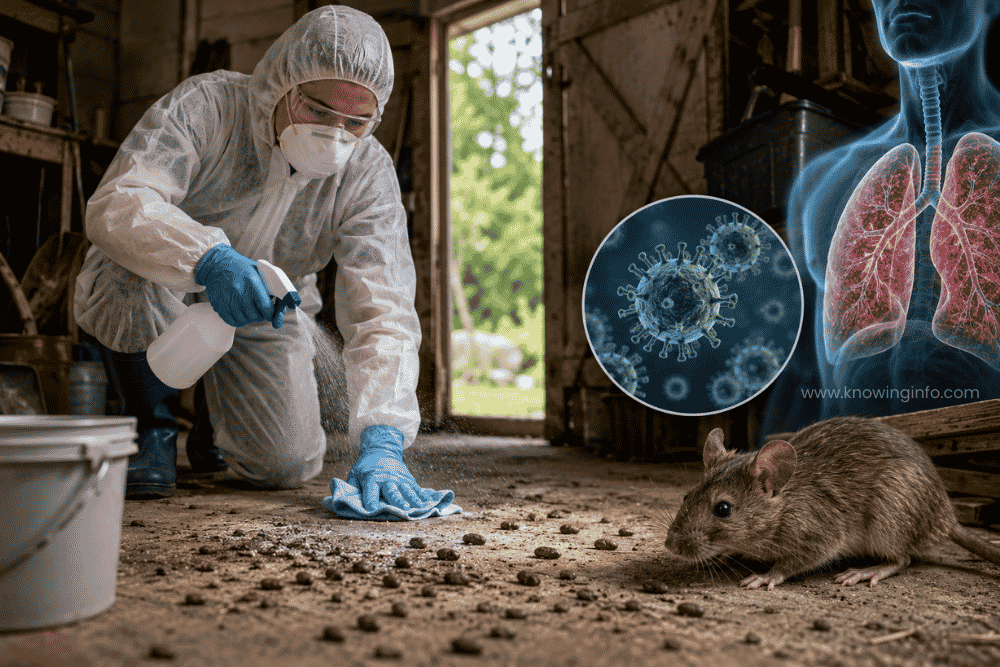
Just imagine yourself entering your backyard garden shed, summer cottage, or any garage that has been locked for quite a few months now. You pick up the broom and see little mouse excrement, which you sweep away right there and then. No big deal, you may say.
However, a couple of weeks later, you unexpectedly get sick, feeling just terrible, with aches all over your body and fever as well. And most of all, it gets very difficult to breathe.
That is exactly why Hantavirus is so shocking. This virus is a rare yet highly dangerous pathogen, carried mainly by some species of wild mice, specifically the deer mouse. Once infected by Hantavirus, humans can contract an extremely harmful lung condition known as Hantavirus pulmonary syndrome.
It is a highly dangerous disease, in that almost half of all cases of Hantavirus pulmonary syndrome end fatally. There is no specific cure or vaccine for the virus yet; therefore, the most effective protection from it lies in understanding its communication methods and preventive measures. Here is what Hantavirus is, how it travels, and how to safely disinfect your surroundings from it.
What is Hantavirus?
Hantavirus belongs to a family of viruses that infects rodents. The unusual thing about this virus is that the mice themselves never get sick from it. These mice live perfectly healthy lives; however, at all times, they are shedding the virus into the environment through saliva, urine, and feces.
The way the virus affects the human body depends on which part of the world the patient is from:
- Strain affecting the Americas (Affects Lungs): The strain found in North and South America leads to what is known as Hantavirus Pulmonary Syndrome (HPS). The virus affects the blood vessels and the lungs, leading to the filling up of the lungs with fluid.
- Strain Affecting Europe and Asia (Affects Kidneys): In Europe and Asia, a different strain of the virus affects the kidneys and may lead to internal bleeding.
To most patients in the West, the lung strain poses the greatest danger. It acts as a stealthy criminal that enters through breathing.

How Does Hantavirus Spread? (It’s Not What You Think)
A lot of people assume you have to be bitten by a mouse to catch a rodent-borne disease. While a bite can transfer the virus, it is actually very rare. Although there is a possibility of getting infected through a bite, the information is not common at all.
The infection is an airborne one. When wild mice live in closed spaces like attics, basements, and junk cars, their waste products are likely to become mixed with the dust on the floor.
When you go into the area and start disturbing the dust particles, either by cleaning with a broom, a vacuum, or a leaf blower, the minute viral particles get airborne. And when you breathe in the dusty air, you get infected.
Why Older Adults Need to Be Extra Careful?
As we grow old, our bodies grow to develop other features and changes. In our air passages, there are small hair-like structures that act as brooms which catch dust and pathogens so that they will not enter our lungs.
At age 65 and beyond, these natural filters become ineffective by 30%-40%. If both a young person and an older person breathe in contaminated air, the body of the older individual will be more sensitive to allowing those harmful viruses into the lowermost regions of the lungs.
The Warning Signs: Recognizing the Symptoms
Another factor that makes Hantavirus so dangerous is its long hiding period. Once you inhale the virus, it will take 1 to 8 weeks (on average, 2 to 4 weeks) before the first signs appear.
By then, you will totally forget about cleaning a dusty shed. Once the Hantavirus activates itself, there come two scary phases of the infection:
Phase I: “Fake flu” (Days 1-5)
Initially, you may believe that you only caught a common cold or influenza. The first symptoms of the infection include:
- A high body temperature (higher than 101°F)
- Sharp muscle pains, particularly in the thighs, hips, and back
- Feeling exhausted, dizzy, or having an upset stomach with vomiting
Phase 2: The Respiratory Emergency (Days 4 to 10)
This is the stage that quickly becomes life-threatening. The virus starts to attack the small blood vessels in the lungs, allowing fluids to flow directly into your air sacs. At this point, it isn’t just coughing; you start gasping for breath as your oxygen levels fall, your blood pressure drops, and your heart works hard.
The respiratory problem can develop rapidly within 24 to 48 hours, from difficulty breathing to total lung failure. Those patients need to rush to the ER and use ventilators to keep alive.
The Safe Way to Clean: Your Step-by-Step Guide
Since there is no magical drug or antiviral drug that will treat Hantavirus, you need to practice proper housekeeping methods. If you find mouse droppings in an old storage area with a musty smell, do not attempt sweeping or vacuuming. Here are some simple steps to follow:
Step 1: Open It Up
First things first, open up all doors and windows to the garage, shed, or cabin from the surface. Walk away and give the place time to air out for a minimum of 30 minutes. Why? Well, this ensures that any airborne virus-containing dust is cleared away by the fresh air.
Step 2: Mask and Glove Up
Wear disposable rubber or nitrile gloves. Then wear an N95 mask. You cannot wear a surgical or cloth mask since the tiny droplets of the virus will easily get past your mask’s sides. The N95 mask is designed to fit tightly around your face.
Step 3: Wet It Down
With 1 and 1/2 cups of regular household bleach in one gallon of water (you can also use a commercial disinfectant spray), thoroughly wet the droppings, nesting materials, and floors to the saturation point. Leave it soaking wet for 5 minutes. This will instantly kill the virus and prevent it from becoming airborne.
Step 4: Wipe and Bag
Paper towels should be used to carefully wipe away the wet area. No scrubbing or scraping is required here. Dispose of the paper towels directly in a sealed plastic garbage bag, place it inside a second sealed garbage bag, and discard the bags outside in the garbage.
Step 5: Disinfect the Area
Sweep the floor surfaces and clean the tables or shelves with the bleach solution to make sure that the area is cleaned properly. Clean your gloved hands with soap and water before removing the gloves, and then clean your hands again without the gloves.
Frequently Asked Questions
Q1: What are the first symptoms of Hantavirus?
Hantavirus symptoms are very similar to those of influenza. The most common symptoms include high body temperature, shivering, exhaustion, and severe muscle pain, mainly in large muscle groups such as legs, hips, and back.
People may also experience headache, dizziness, as well as digestive complaints such as nausea, vomiting, or diarrhea.
Q2: How long can Hantavirus live in mouse droppings?
Hantavirus can remain active in the environment for several days. However, when the location of its residence is cool, dry, and sheltered from direct sunlight (for example, attic, cellar, or crawlspace), the virus may be alive for an extended period. This is why the treatment of old and dried-up rodent droppings should be no less careful than that of fresh ones.
Q3: Is it possible to survive Hantavirus without going to the hospital?
It is almost impossible for you to live if you have contracted the pulmonary version of Hantavirus (Hantavirus Pulmonary Syndrome).
This is because of the fluid collection in the lungs, which means that you must get oxygen service or a respirator until your body gets rid of the virus through natural immunity. It greatly increases the chances of recovery by receiving early medical attention.
Q4: Does hand sanitizer kill Hantavirus?
Yes, Hantavirus is effectively killed by alcohol-based sanitizers and regular household disinfectants (bleach, alcohol). It should be noted that the virus has a thin protective lipid envelope that allows it to die from soap and water hand washes.
Q5: Can dogs or cats contract Hantavirus?
No. Hantavirus will not make dogs or cats sick, nor can they transfer it to people. But the presence of these animals outdoors may cause wild rodents to move inside your house, where they nest, thus releasing the viral particles.
Final Thoughts: Stay Smart, Stay Safe
A hantavirus is definitely a scary example of how Mother Nature can cover some major threats within such minor commodities as microorganisms. However, there is no need to worry; all that you should do is use common sense.
Avoiding dust mopping, carrying a cheap N95 mask in your garage, and using the easy-to-do wet-mopping technique will help you keep your home neat and your breathing perfectly safe.